How to Reduce Patient No-Shows at Your Clinic: 9 Things That Actually Work
The JenPulse team · 5 October 2026 · 3 min read
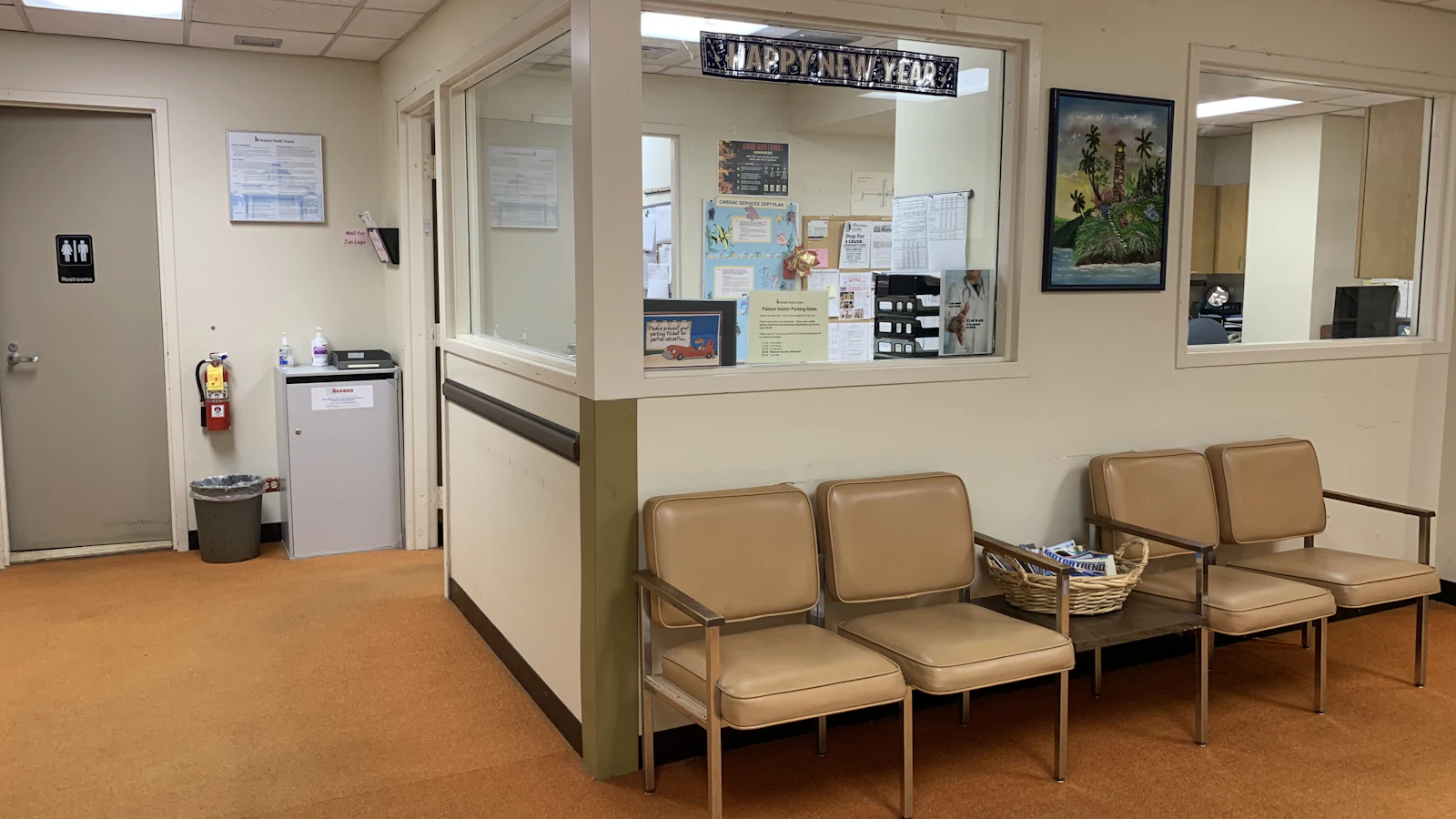
A no-show isn't just an empty slot. It is a doctor waiting, a patient on the waiting list who could have come, and income that doesn't come back. For a busy clinic, even three missed appointments a day adds up to weeks of lost time over a year.
The good news is that most no-shows aren't patients being careless. They forgot, the time stopped working for them, or rescheduling felt like too much trouble. Each of those has a fix.
1. Send a reminder the day before, and another on the day
A short message the evening before and a second one two or three hours before the appointment catches most people who would otherwise forget. Keep it simple: clinic name, doctor, date, time, and how to reschedule.
In India, WhatsApp or SMS works far better than email for most patients. Older patients may prefer a short phone call from reception.
2. Make rescheduling easier than not turning up
Many patients skip an appointment because cancelling feels awkward. Put a clear line in every reminder: "Can't make it? Reply to this message or call us and we'll find another time." When rescheduling takes ten seconds, people do it.
3. Confirm the booking in writing
Patients who book over the phone often remember the day but not the time. A confirmation message right after booking, with the exact time and address, reduces confusion before it starts.
4. Look at your own data
Check which appointments are most often missed. Common patterns:
- Early morning or late evening slots
- Appointments booked more than two weeks ahead
- First visits rather than follow-ups
- Particular days of the week
Once you know the pattern, you can adjust: send an extra reminder for far-ahead bookings, or keep a few slots for same-day booking.
5. Keep a short waiting list
When a patient cancels, someone else usually wants that slot. Keep a list of patients who asked for an earlier time and call them first. A filled slot is the best outcome of a cancellation.
6. Book the follow-up before the patient leaves
Patients who leave with their next visit already booked are much more likely to return than those told to "come back in two weeks". Make booking the follow-up part of checkout at the front desk.
7. Overbook carefully, if at all
Some clinics book one extra patient in sessions with a known no-show rate. It can work, but only if you watch the numbers closely. Otherwise you trade empty slots for long waits, which drives patients away. Use your data, not guesswork.
8. Have a fair, clear policy for repeat no-shows
For patients who miss repeatedly, a polite policy helps: for example, asking for confirmation by phone before their next booking, or offering them same-day slots instead of advance bookings. Explain it kindly. The aim is to protect time for everyone, not to punish.
9. Make the visit itself easier
Long waits make patients less likely to keep the next appointment. Running on time, letting patients know when the doctor is delayed, and keeping the waiting area comfortable all improve attendance over time.
Measure it
Track your no-show rate each month: missed appointments divided by total booked appointments. Try one or two changes at a time and watch the number. Most clinics that add reminders and same-visit follow-up booking see a clear drop within two to three months.
In JenPulse, every appointment has a status, from booked and arrived through to checked out or no-show, so missed appointments are recorded as they happen and you can count them in Reports instead of going through the register by hand. You can see how it looks in the live demo.